Available courses

This Leadership Course is designed to empower individuals with the essential skills and strategies needed to lead effectively in today’s dynamic and diverse work environments. This comprehensive program covers key aspects of leadership, including communication, decision-making, team management, emotional intelligence, and conflict resolution. Students will explore various leadership styles and theories, learn how to build and sustain high-performance teams, and develop strategies to navigate complex challenges and changes through various activity. 

This course explores the nature, causes and treatment of psychological disorders.  

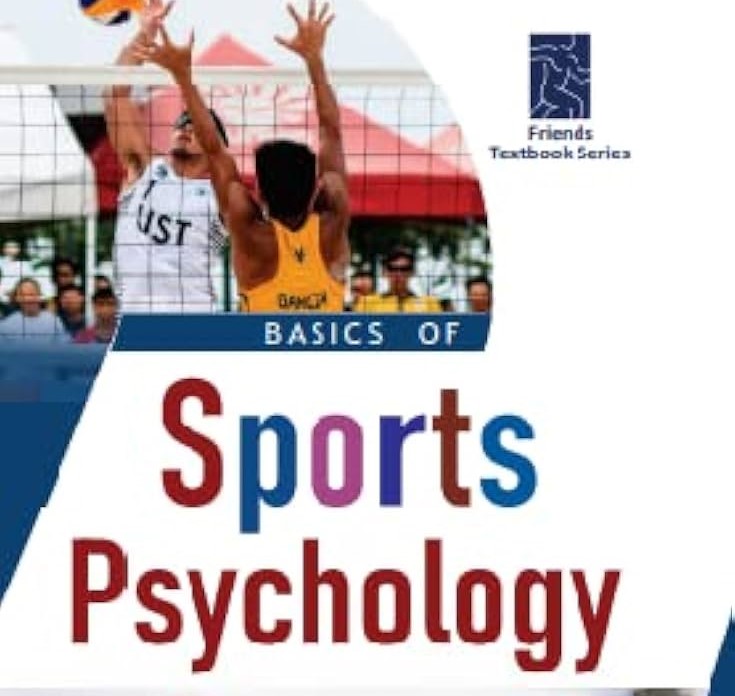
Sports psychology is the scientific study of how psychological factors affect athletic performance and participation in sportsIt also examines how physical activity impacts a person's psychological development, health, and well-being. 

This course provides an overview of the psychological, behavioral and social factors that influence health and illness. Students will explore topics such as stress and coping, health behavior change, the role of psychology in chronic illness management, and the biopsychosocial model of health. 

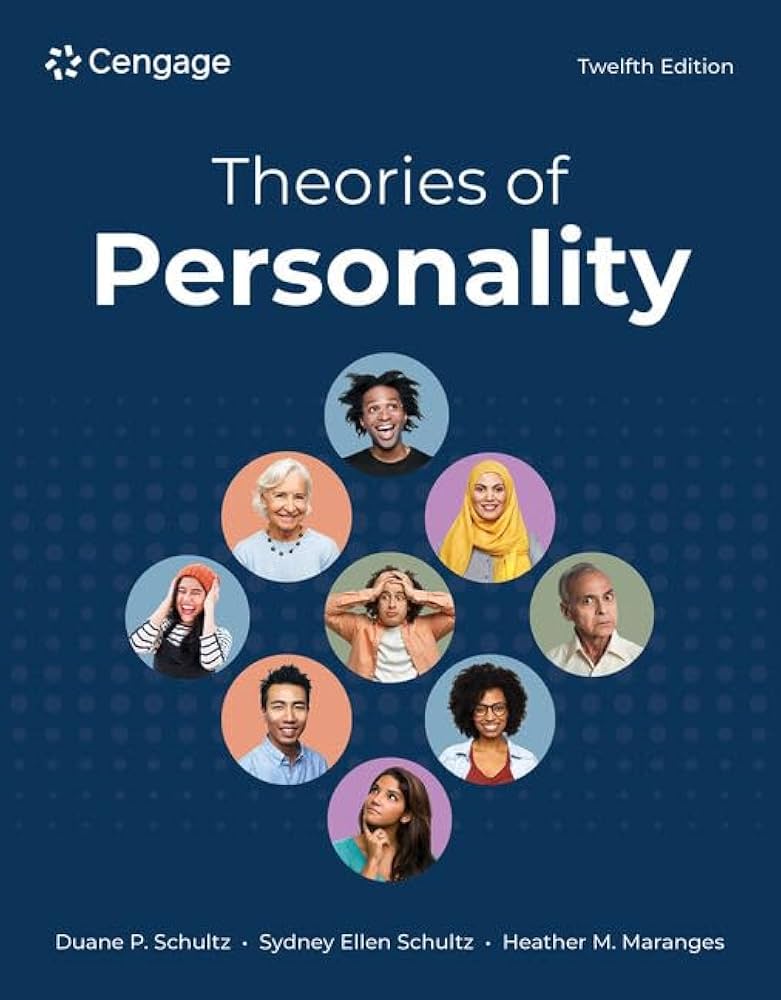
Theories of personality aim to explain the unique patterns of thoughts, feelings, and behaviors that define individuals. Psychodynamic theories, founded by Freud, emphasize the role of the unconscious mind and early childhood experiences, highlighting the id, ego, and superego. Trait theories, like the Big Five, focus on identifying and measuring personality traits such as openness, conscientiousness, and extraversion. Humanistic theories, proposed by figures like Maslow and Rogers, stress personal growth, self-actualization, and the inherent goodness of people. Behavioral theories, associated with B.F. Skinner, examine how behaviors are learned through reinforcement and punishment. Social cognitive theories, led by Bandura, explore the influence of observational learning, self-efficacy, and cognitive processes on personality. Each framework offers a distinct lens for understanding human behavior and personality development.

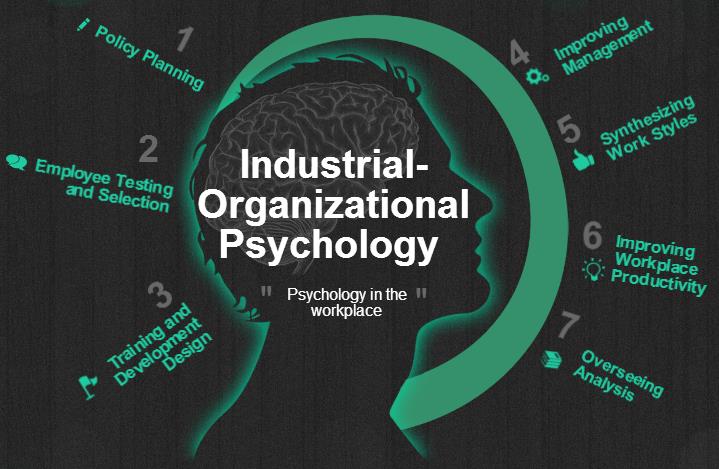
Organizational psychology, also known as industrial-organizational (I-O) psychology, applies psychological principles to workplace settings to enhance individual, team, and organizational performance and well-being. It examines how personal and organizational factors influence behaviors such as decision-making and teamwork, and develops strategies for recruiting, training, and retaining employees. Research design and analysis are crucial for understanding workplace behaviors, while motivation studies focus on what drives individuals to perform. Work design aims to create efficient systems and processes, and understanding organizational structures helps in assessing their impact on performance. Interpersonal interactions are studied to improve communication and collaboration, and leadership styles are explored for their effects on group dynamics. Additionally, factors influencing team performance are analyzed to ensure team success. I-O psychologists use this comprehensive knowledge to develop training programs, refine performance evaluations, and create better work environments.